Higher than Pre-Industrial Levels
Methane levels in the atmosphere are rising faster than those of other major greenhouse gases and are now more than two-and-a-half times higher than pre-industrial levels, according to the IEA.

Methane is one of the most potent greenhouse gases. It’s global warming potential is 28 to 85 times greater than CO2 over a 100 year and 20 year time period respectively.

Atmospheric methane is of significant concern because it is one of the most potent greenhouse gases in Earth’s atmosphere. Its levels have increased dramatically over the past decade, making it a major contributor to global warming.
 20%
20%
Of total greenhouse gas emissions are from methane.
 84
84
Times the global warming potential of carbon dioxide over 20 years.
 45%
45%
Of human-caused methane emissions could be reduced this decade.
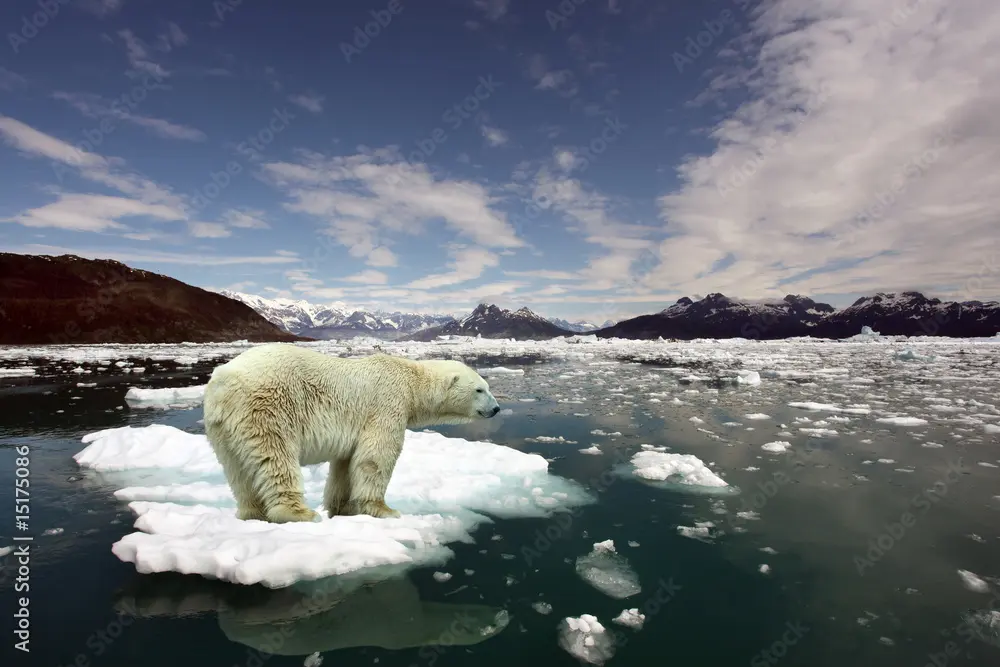
Global temperatures have risen by over 1.1°C (2°F) since the late 19th century - largely due to increased greenhouse gas gases like carbon dioxide and methane emissions from human activities. The last decade was the hottest on record, with more frequent and intense heatwaves, wildfires, and extreme weather events linked to global warming.
Atmospheric methane levels have been rising steadily over the past few decades, with a sharp acceleration in the last ten years. This upward trend is driven largely by human activities such as agriculture, fossil fuel use, and waste management, making methane a growing concern for climate change.
Methane has more than 80 times the warming potential of carbon dioxide over a 20-year period, making it a highly potent greenhouse gas. Because of its short atmospheric lifespan, reducing methane emissions can have a fast and significant impact on slowing global warming.
Methane is released into the atmosphere from both natural sources, such as wetlands, oceans, and termites, and human activities like agriculture, landfills, and fossil fuel extraction. Livestock farming, especially cattle and poultry, is one of the largest human-related sources of methane due to the digestive processes of the animals.
Methane levels in the atmosphere are rising faster than those of other major greenhouse gases and are now more than two-and-a-half times higher than pre-industrial levels, according to the IEA.
Each year the United States produces: Over 120 million tons* of farm animal manure 12 million tons* of municipal wastewater biosolids (sludge) and sends more than 24,000,000 tons of inedible food waste to landfills. In addition, at least 470 landfills currently flare gas that could be repurposed.
GreenGas is the premier platform for transforming agricultural, food, and industrial organic waste into low-carbon energy and long-term environmental benefits.
We partner with feedstock partners to design and implement a complete gas capture and upgrading system. We also connect RNG and Carbon buyers with long-term carbon credit buyers and RNG offtake partners, helping them turn waste into a reliable, recurring revenue stream while staying focused on what they do best. Connect with us today to learn more!.
Carbon Intensity (CI) scores measure the amount of carbon dioxide (CO₂) emissions produced per unit of energy or activity—typically expressed as grams of CO₂ equivalent per megajoule (gCO₂e/MJ) of energy.
Many of our projects achieve ultra-low carbon intensity (CI) scores through the recognition of mitigated carbon. These scores are verified by trusted third-party experts using the industry-leading GREET Model, ensuring rigorous and accurate assessment.
GreenGas has low carbon intensity (CI) scores resulting from the baseline conditions prior to our partnership, when methane was fugitively emitting into the atmosphere from wastewater systems.