
Virtual Pipeline Services

Unlocking the Benefits of Virtual Pipeline Services for Natural Gas Transportation

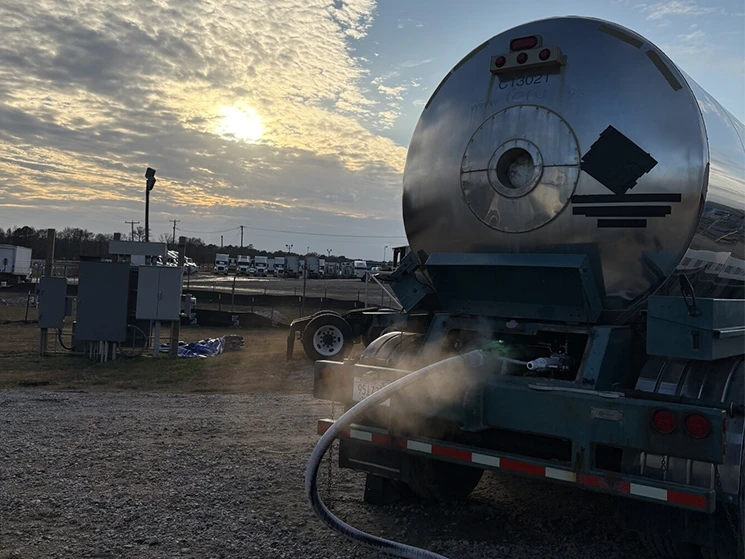
A virtual pipeline is the transportation of natural gas or renewable natural gas (RNG) without using a traditional physical pipeline.

The gas is compressed (CNG) or liquefied (LNG) and moved using trucks, rail, or ships. VPLs offer several key benefits for natural gas transportation, especially in scenarios where traditional pipeline infrastructure is unavailable or impractical.

GreenGas’ virtual pipeline services offer flexibility, cost-effectiveness, and speed in gas transportation, making them an attractive solution for areas without pipeline access or in situations where building new pipelines is not feasible.
  1. 1. Flexibility and Accessibility

    • No Fixed Infrastructure Required: VPL allows for the transportation of natural gas without relying on expensive or extensive pipeline infrastructure. This makes it a great option for remote or underserved areas where building pipelines would be too costly or logistically challenging.
    • Access to New Markets: It provides access to new or untapped markets by allowing gas producers to connect with the natural gas grid without needing pipeline access.
  2. 2. Cost-Effective

    • Scalable Solutions: Virtual pipeline services can be easily scaled up or down depending on demand. This makes them cost-efficient for both small-scale projects and large-scale operations.
  3. 3. Environmental Benefits

    • Reduced Land Use and Disruption: Because VPL systems don’t require the construction of traditional pipelines, they minimize the environmental disruption and land use associated with pipeline installation.
    • Lower Emissions: With proper design and monitoring, VPL can be a cleaner alternative, as it can reduce flaring and transportation inefficiencies.
  4. 4. Operational Efficiency

    • Streamlined Gas Flow: VPL systems are often equipped with advanced compression and storage technologies that ensure efficient gas movement and help prevent leaks or loss.
    • Real-Time Monitoring and Control: Many VPL services include real-time monitoring systems, allowing for quick adjustments and proactive management of the gas transportation process to ensure smooth operation.
  5. 5. Reliability

    • Back-Up Option for Pipelines: VPL can act as a backup for traditional pipeline infrastructure, ensuring that gas supply remains uninterrupted in case of pipeline failure or maintenance.
    • Consistent Supply: With the ability to transport gas directly to the end users or natural gas grids, VPL helps maintain a reliable supply of gas even in areas with limited or no pipeline infrastructure.
  6. 6. Safety

    • Risk Mitigation: VPL systems can often be designed with enhanced safety features, such as leak detection and real-time monitoring, reducing the risk of accidents or environmental hazards.
    • Reduced Ground Disturbance: Without the need to dig up land or build extensive infrastructure, VPL services minimize the risk of damage to surrounding areas and ecosystems.

Contact Us

Fuel Change. Power the Future.

Name(Required)